The Denotified Tribes of India: A History of Stigma and Struggle
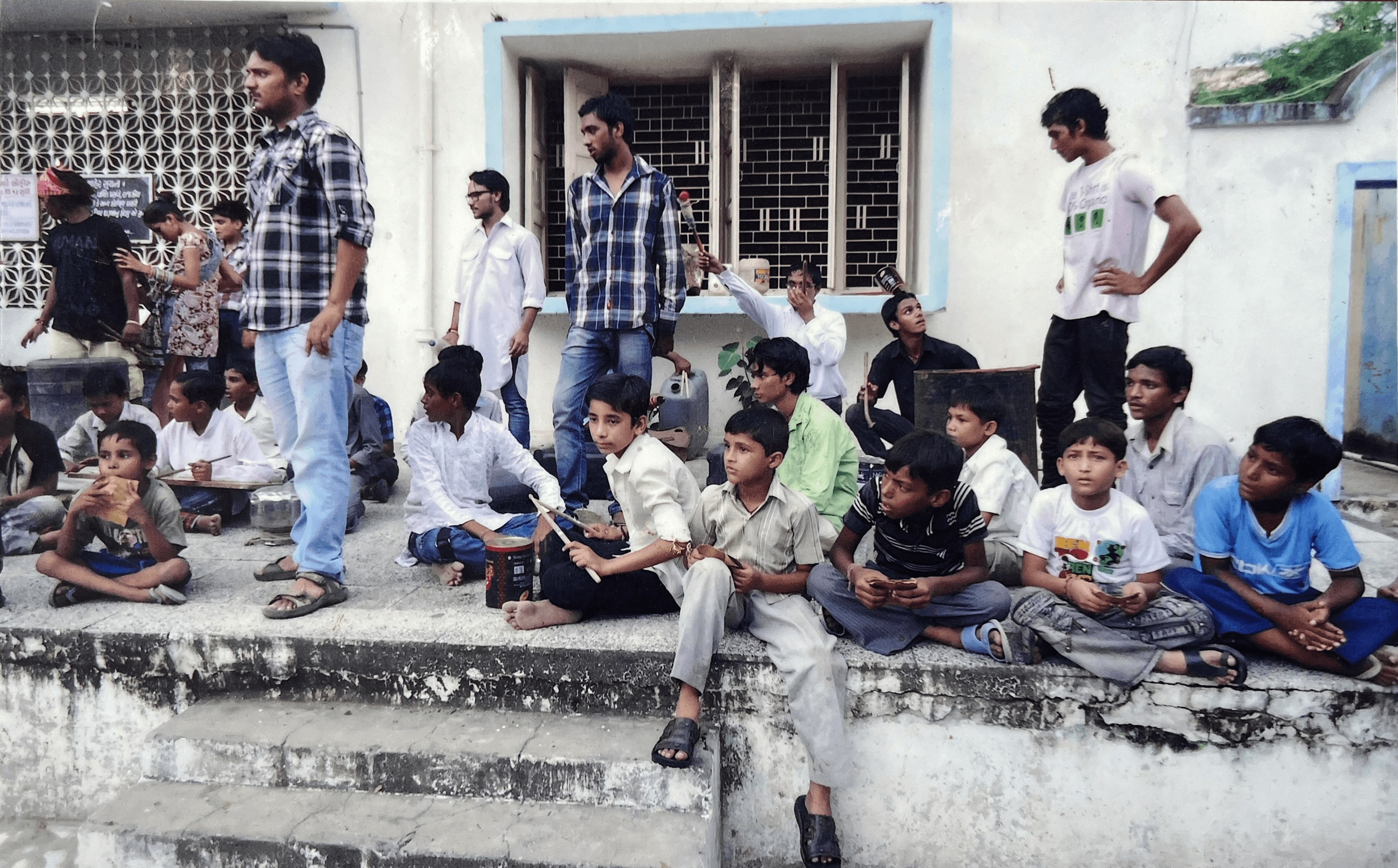
The Denotified Tribes (DNTs) of India are among the most marginalised communities in the country — victims of a label forced upon them during British colonial rule.
In 1871, the colonial government passed the Criminal Tribes Act (CTA), under which hundreds of communities were officially “notified” as criminal by birth. Traders, acrobats, street performers, and nomadic groups who were difficult for the British to tax or control were brought under the Act. Once notified, entire communities were forced into “settlements” — jail-like camps where men were put to work as cheap labour for railways, textile factories, and government projects. Women were confined, children separated, and whole generations stigmatized. Those who resisted being settled were sometimes shot on sight.
A strict pass system controlled their movements, making survival nearly impossible outside the camps.
After Independence, Prime Minister Jawaharlal Nehru repealed the Act in 1952, freeing these communities from the colonial notification. The term Denotified Tribes was coined in its aftermath. Yet, freedom from the law did not mean freedom from stigma. In 1959, many were reclassified under the Habitual Offenders Act, effectively reviving suspicion around their lives.
Even today, the stigma of being “born criminals” persists. They face discrimination in housing, education, and employment. Because DNTs were not uniformly included in the Scheduled Castes, Scheduled Tribes, or Other Backward Classes lists, they lack consistent access to reservation benefits. In several states, laws still require certain nomadic groups to register at local police stations, keeping them under constant watch. This has made them especially vulnerable to wrongful suspicion and overrepresentation in police custody.
Estimates suggest that around 60 million DNTs live across India today. Generations after the CTA was repealed, they remain one of the least understood and most marginalized populations in the country.
Since 1998, Budhan Theatre have tried to challenge this colonial legacy through street performances, telling the stories of Chharas and other DNTs. Our aim is simple yet powerful: to remind society that these communities are not “born criminals,” but human beings with dignity, aspirations, and the right to live free from stigma.
Chharanagar
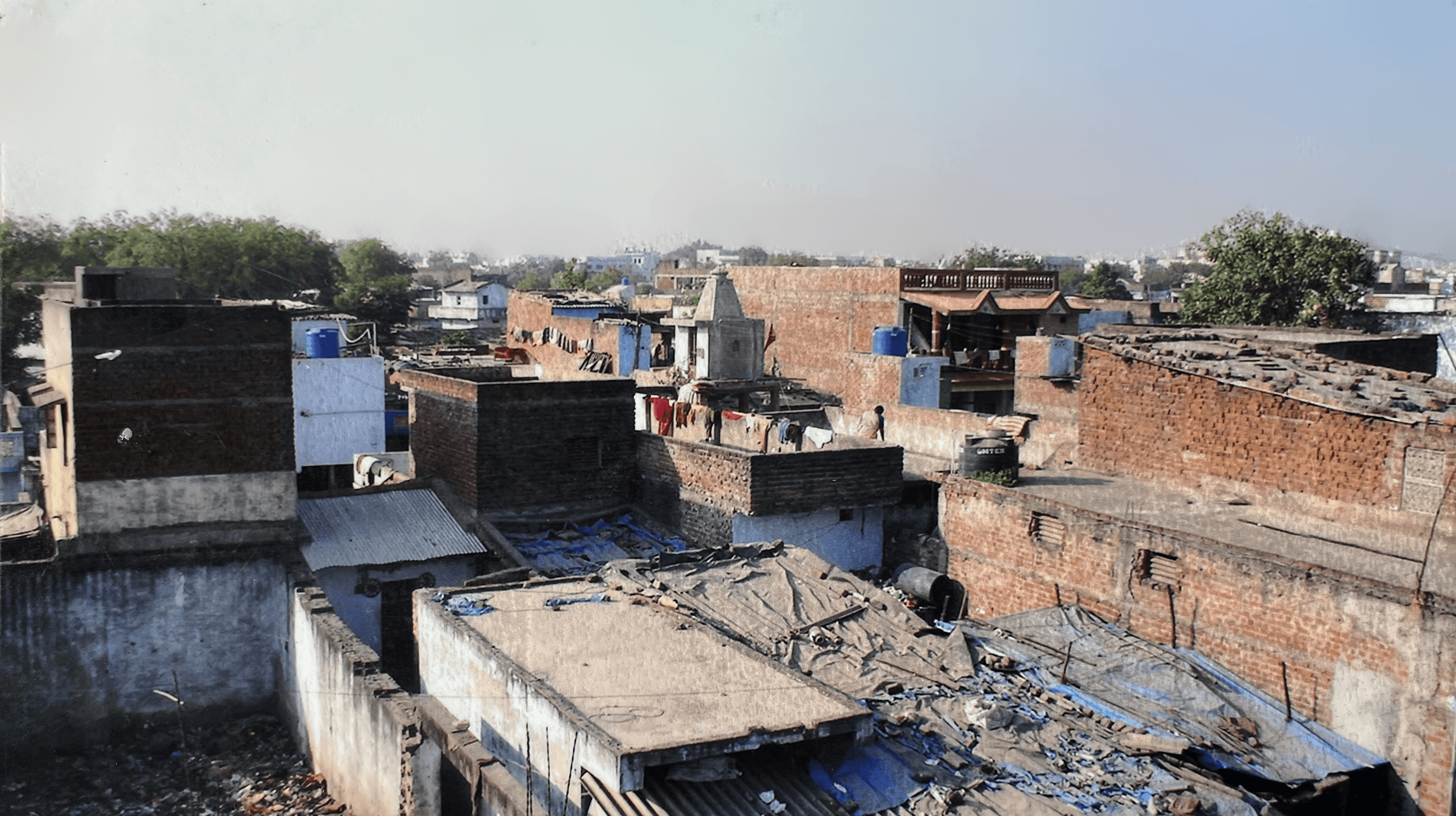
Chharanagar is an informal settlement in Ahmedabad, located near Naroda Patiya, housing around 10,000 Chhara families. The area lacks basic infrastructure: roads are mostly unpaved or in bad shape, water supply is irregular, there is poor sanitation, and few street lights.
Since the repeal of the Criminal Tribes Act in 1952, the Chhara community was officially de-notified, but the label of “habitual offenders” under later laws like the Habitual Offenders Act continues to haunt them. This has meant frequent police raids, sometimes harsh treatment, random arrests, and widespread suspicion—even when there is no wrongdoing.
Many Chhara youth see education and law as tools of resistance. Some have become lawyers, artists, Journalists, Filmmakers or activists in order to fight prejudice and claim dignity. But social exclusion remains strong. Employers often refuse to hire Chharas once they learn their background; opportunities are few.
Budhan Theatre : Art as Resistance
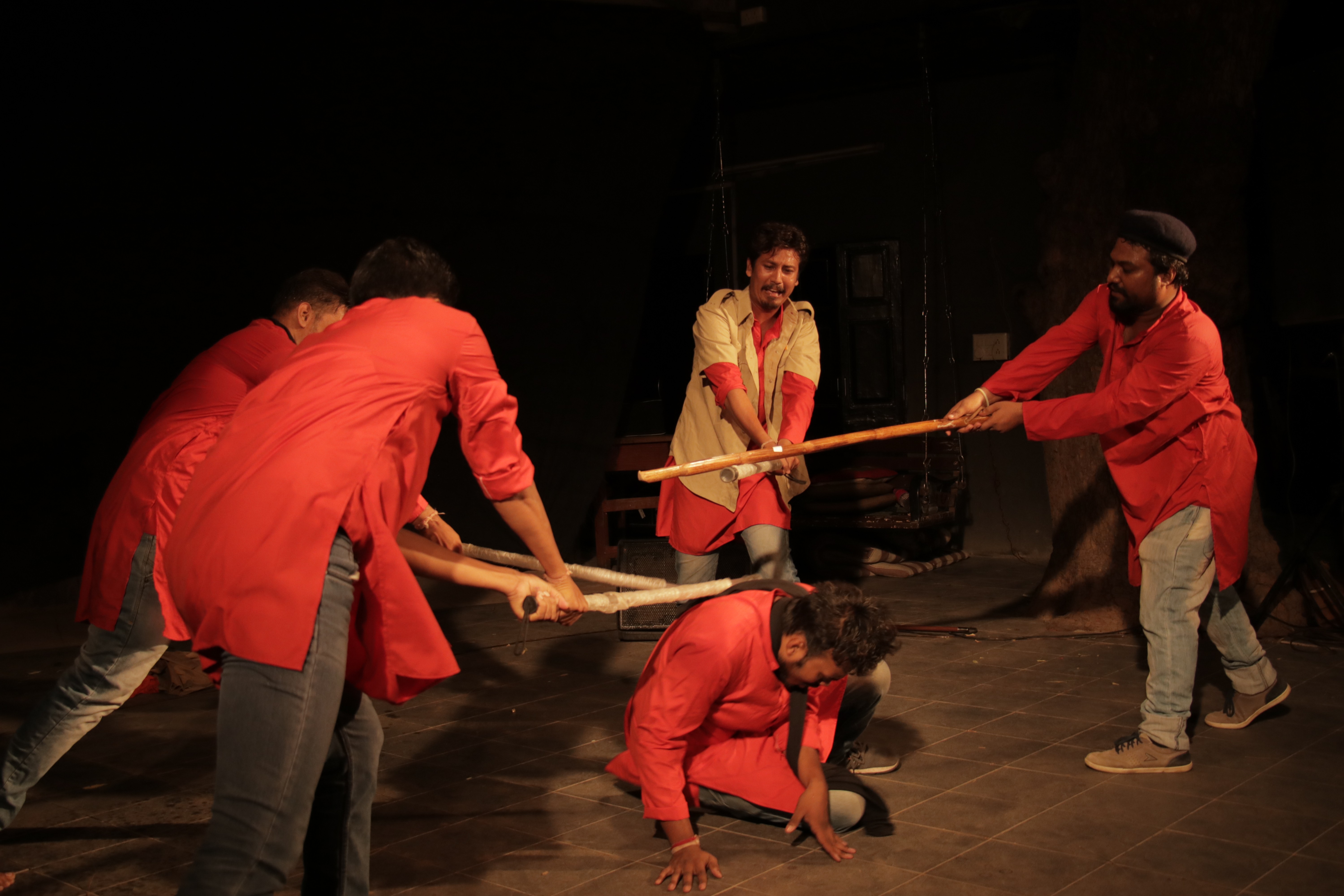
Budhan Theatre was founded in 1998 by Dakxin Bajrange, Roxy Gagdekar, and Kalpana Gagdekar, under the mentorship of noted scholar Dr. Ganesh Devy and writer Mahasweta Devi. The theatre takes its name from Budhan Sabar, a tribal man from West Bengal’s Sabar community who died due to police brutality the same year. His death sparked outrage among activists and writers, including Mahasweta Devi, who played a central role in mobilising voices against the injustice and in the creation of the theatre movement.
The group’s first performance was staged on 31 August 1998, when India observed the very first Denotification Day, marking the repeal of the Criminal Tribes Act. The play, titled Budhan, recreated the killing of Budhan Sabar and the larger history of oppression faced by Denotified Tribes (DNTs). It resonated deeply, not only with the Chhara community of Ahmedabad, where the group is based, but also with DNTs across India.
Over the years, Budhan Theatre has evolved beyond performance into a grassroots movement. Along with staging street plays and workshops across India, the group has built initiatives around non-formal education for DNT children, alternative employment for women, community libraries, and youth counselling programs. These efforts provide social and cultural capital to a community long deprived of access to education, jobs, and dignity.
For the Chharas and other DNT communities, Budhan Theatre represents more than art—it is a path of survival, resistance, and empowerment. It has helped reduce stigma, amplify marginalized voices, and carve out a cultural identity for those historically branded as “born criminals.” Yet, as members say, the struggle for recognition and justice still continues.
Chharanagar Library
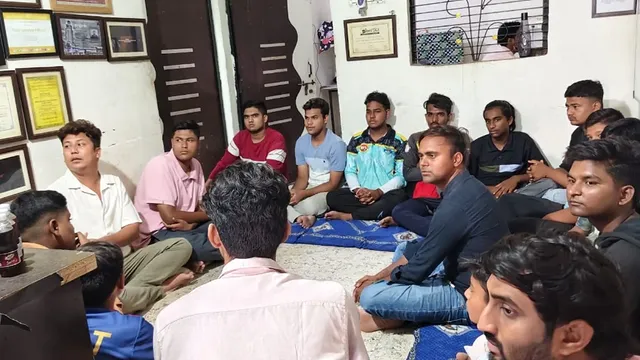
The Chharanagar library was established in 1998 by noted literary critic and linguistic professor Dr. Ganesh Devy and Indian writer Mahashweta Devi.
The library was established as a center for community development for the Chhara tribe, ultimately encouraging people to come forward and donate books for community use. Most of the books are donated by Bhasha Research and Publication Center, Baroda, Mahasveta Devy, university students from the USA, Europe, Darpana Academy in Ahmedabad, and the UK, and many more donors and visitors to the library.
Books are also earned by Budhan Theatre actors upon completing performances all around India. The library includes books in English, Hindi, and Gujarati, and readers are members of the Chhara community, police officers, and neighboring communities' youth and children.
Chharanagar Library became a center for development, and it attracted scholars, writers, filmmakers, and journalists from all over the world.
The library was the birthplace of Budhan Theatre, and it remains a vibrant place for the youth of Chharanagar, where young people come together to interact, read, practice music, perform theatre, dance, and engage in other community building activities.
The Denotified Tribes of India: A History of Stigma and Struggle
The Denotified Tribes (DNTs) of India are among the most marginalised communities in the country — victims of a label forced upon them during British colonial rule.
In 1871, the colonial government passed the Criminal Tribes Act (CTA), under which hundreds of communities were officially “notified” as criminal by birth. Traders, acrobats, street performers, and nomadic groups who were difficult for the British to tax or control were brought under the Act. Once notified, entire communities were forced into “settlements” — jail-like camps where men were put to work as cheap labour for railways, textile factories, and government projects. Women were confined, children separated, and whole generations stigmatized. Those who resisted being settled were sometimes shot on sight.
A strict pass system controlled their movements, making survival nearly impossible outside the camps.
After Independence, Prime Minister Jawaharlal Nehru repealed the Act in 1952, freeing these communities from the colonial notification. The term Denotified Tribes was coined in its aftermath. Yet, freedom from the law did not mean freedom from stigma. In 1959, many were reclassified under the Habitual Offenders Act, effectively reviving suspicion around their lives.
Even today, the stigma of being “born criminals” persists. They face discrimination in housing, education, and employment. Because DNTs were not uniformly included in the Scheduled Castes, Scheduled Tribes, or Other Backward Classes lists, they lack consistent access to reservation benefits. In several states, laws still require certain nomadic groups to register at local police stations, keeping them under constant watch. This has made them especially vulnerable to wrongful suspicion and overrepresentation in police custody.
Estimates suggest that around 60 million DNTs live across India today. Generations after the CTA was repealed, they remain one of the least understood and most marginalized populations in the country.
Since 1998, Budhan Theatre have tried to challenge this colonial legacy through street performances, telling the stories of Chharas and other DNTs. Our aim is simple yet powerful: to remind society that these communities are not “born criminals,” but human beings with dignity, aspirations, and the right to live free from stigma.
Chharanagar
Chharanagar is an informal settlement in Ahmedabad, located near Naroda Patiya, housing around 10,000 Chhara families. The area lacks basic infrastructure: roads are mostly unpaved or in bad shape, water supply is irregular, there is poor sanitation, and few street lights.
Since the repeal of the Criminal Tribes Act in 1952, the Chhara community was officially de-notified, but the label of “habitual offenders” under later laws like the Habitual Offenders Act continues to haunt them. This has meant frequent police raids, sometimes harsh treatment, random arrests, and widespread suspicion—even when there is no wrongdoing.
Many Chhara youth see education and law as tools of resistance. Some have become lawyers, artists, Journalists, Filmmakers or activists in order to fight prejudice and claim dignity. But social exclusion remains strong. Employers often refuse to hire Chharas once they learn their background; opportunities are few.
Budhan Theatre : Art as Resistance
Budhan Theatre was founded in 1998 by Dakxin Bajrange, Roxy Gagdekar, and Kalpana Gagdekar, under the mentorship of noted scholar Dr. Ganesh Devy and writer Mahasweta Devi. The theatre takes its name from Budhan Sabar, a tribal man from West Bengal’s Sabar community who died due to police brutality the same year. His death sparked outrage among activists and writers, including Mahasweta Devi, who played a central role in mobilising voices against the injustice and in the creation of the theatre movement.
The group’s first performance was staged on 31 August 1998, when India observed the very first Denotification Day, marking the repeal of the Criminal Tribes Act. The play, titled Budhan, recreated the killing of Budhan Sabar and the larger history of oppression faced by Denotified Tribes (DNTs). It resonated deeply, not only with the Chhara community of Ahmedabad, where the group is based, but also with DNTs across India.
Over the years, Budhan Theatre has evolved beyond performance into a grassroots movement. Along with staging street plays and workshops across India, the group has built initiatives around non-formal education for DNT children, alternative employment for women, community libraries, and youth counselling programs. These efforts provide social and cultural capital to a community long deprived of access to education, jobs, and dignity.
For the Chharas and other DNT communities, Budhan Theatre represents more than art—it is a path of survival, resistance, and empowerment. It has helped reduce stigma, amplify marginalized voices, and carve out a cultural identity for those historically branded as “born criminals.” Yet, as members say, the struggle for recognition and justice still continues.
Chharanagar Library
The Chharanagar library was established in 1998 by noted literary critic and linguistic professor Dr. Ganesh Devy and Indian writer Mahashweta Devi.
The library was established as a center for community development for the Chhara tribe, ultimately encouraging people to come forward and donate books for community use. Most of the books are donated by Bhasha Research and Publication Center, Baroda, Mahasveta Devy, university students from the USA, Europe, Darpana Academy in Ahmedabad, and the UK, and many more donors and visitors to the library.
Books are also earned by Budhan Theatre actors upon completing performances all around India. The library includes books in English, Hindi, and Gujarati, and readers are members of the Chhara community, police officers, and neighboring communities' youth and children.
Chharanagar Library became a center for development, and it attracted scholars, writers, filmmakers, and journalists from all over the world.
The library was the birthplace of Budhan Theatre, and it remains a vibrant place for the youth of Chharanagar, where young people come together to interact, read, practice music, perform theatre, dance, and engage in other community building activities.
The Denotified Tribes of India: A History of Stigma and Struggle
The Denotified Tribes (DNTs) of India are among the most marginalised communities in the country — victims of a label forced upon them during British colonial rule.
In 1871, the colonial government passed the Criminal Tribes Act (CTA), under which hundreds of communities were officially “notified” as criminal by birth. Traders, acrobats, street performers, and nomadic groups who were difficult for the British to tax or control were brought under the Act. Once notified, entire communities were forced into “settlements” — jail-like camps where men were put to work as cheap labour for railways, textile factories, and government projects. Women were confined, children separated, and whole generations stigmatized. Those who resisted being settled were sometimes shot on sight.
A strict pass system controlled their movements, making survival nearly impossible outside the camps.
After Independence, Prime Minister Jawaharlal Nehru repealed the Act in 1952, freeing these communities from the colonial notification. The term Denotified Tribes was coined in its aftermath. Yet, freedom from the law did not mean freedom from stigma. In 1959, many were reclassified under the Habitual Offenders Act, effectively reviving suspicion around their lives.
Even today, the stigma of being “born criminals” persists. They face discrimination in housing, education, and employment. Because DNTs were not uniformly included in the Scheduled Castes, Scheduled Tribes, or Other Backward Classes lists, they lack consistent access to reservation benefits. In several states, laws still require certain nomadic groups to register at local police stations, keeping them under constant watch. This has made them especially vulnerable to wrongful suspicion and overrepresentation in police custody.
Estimates suggest that around 60 million DNTs live across India today. Generations after the CTA was repealed, they remain one of the least understood and most marginalized populations in the country.
Since 1998, Budhan Theatre have tried to challenge this colonial legacy through street performances, telling the stories of Chharas and other DNTs. Our aim is simple yet powerful: to remind society that these communities are not “born criminals,” but human beings with dignity, aspirations, and the right to live free from stigma.
Chharanagar
Chharanagar is an informal settlement in Ahmedabad, located near Naroda Patiya, housing around 10,000 Chhara families. The area lacks basic infrastructure: roads are mostly unpaved or in bad shape, water supply is irregular, there is poor sanitation, and few street lights.
Since the repeal of the Criminal Tribes Act in 1952, the Chhara community was officially de-notified, but the label of “habitual offenders” under later laws like the Habitual Offenders Act continues to haunt them. This has meant frequent police raids, sometimes harsh treatment, random arrests, and widespread suspicion—even when there is no wrongdoing.
Many Chhara youth see education and law as tools of resistance. Some have become lawyers, artists, Journalists, Filmmakers or activists in order to fight prejudice and claim dignity. But social exclusion remains strong. Employers often refuse to hire Chharas once they learn their background; opportunities are few.
Budhan Theatre : Art as Resistance
Budhan Theatre was founded in 1998 by Dakxin Bajrange, Roxy Gagdekar, and Kalpana Gagdekar, under the mentorship of noted scholar Dr. Ganesh Devy and writer Mahasweta Devi. The theatre takes its name from Budhan Sabar, a tribal man from West Bengal’s Sabar community who died due to police brutality the same year. His death sparked outrage among activists and writers, including Mahasweta Devi, who played a central role in mobilising voices against the injustice and in the creation of the theatre movement.
The group’s first performance was staged on 31 August 1998, when India observed the very first Denotification Day, marking the repeal of the Criminal Tribes Act. The play, titled Budhan, recreated the killing of Budhan Sabar and the larger history of oppression faced by Denotified Tribes (DNTs). It resonated deeply, not only with the Chhara community of Ahmedabad, where the group is based, but also with DNTs across India.
Over the years, Budhan Theatre has evolved beyond performance into a grassroots movement. Along with staging street plays and workshops across India, the group has built initiatives around non-formal education for DNT children, alternative employment for women, community libraries, and youth counselling programs. These efforts provide social and cultural capital to a community long deprived of access to education, jobs, and dignity.
For the Chharas and other DNT communities, Budhan Theatre represents more than art—it is a path of survival, resistance, and empowerment. It has helped reduce stigma, amplify marginalized voices, and carve out a cultural identity for those historically branded as “born criminals.” Yet, as members say, the struggle for recognition and justice still continues.
Chharanagar Library
The Chharanagar library was established in 1998 by noted literary critic and linguistic professor Dr. Ganesh Devy and Indian writer Mahashweta Devi.
The library was established as a center for community development for the Chhara tribe, ultimately encouraging people to come forward and donate books for community use. Most of the books are donated by Bhasha Research and Publication Center, Baroda, Mahasveta Devy, university students from the USA, Europe, Darpana Academy in Ahmedabad, and the UK, and many more donors and visitors to the library.
Books are also earned by Budhan Theatre actors upon completing performances all around India. The library includes books in English, Hindi, and Gujarati, and readers are members of the Chhara community, police officers, and neighboring communities' youth and children.
Chharanagar Library became a center for development, and it attracted scholars, writers, filmmakers, and journalists from all over the world.
The library was the birthplace of Budhan Theatre, and it remains a vibrant place for the youth of Chharanagar, where young people come together to interact, read, practice music, perform theatre, dance, and engage in other community building activities.
Stay informed.
News & events updates.
Stay informed.
News & events updates.
Stay informed.
News & events updates.
Contact
vimuktatrust@gmail.com

vimukta_trust

+91 98792 03805
Website designed by Ashvitha A. © 2026 Vimukta Reform Trust. All rights reseved.
Contact
vimuktatrust@gmail.com
vimukta_trust
+91 98792 03805
Website designed by Ashvitha A. © 2026 Vimukta Reform Trust. All rights reseved.
Contact
vimuktatrust@gmail.com
vimukta_trust
+91 98792 03805
Website designed by Ashvitha A.
© 2026 Vimukta Reform Trust. All rights reseved.